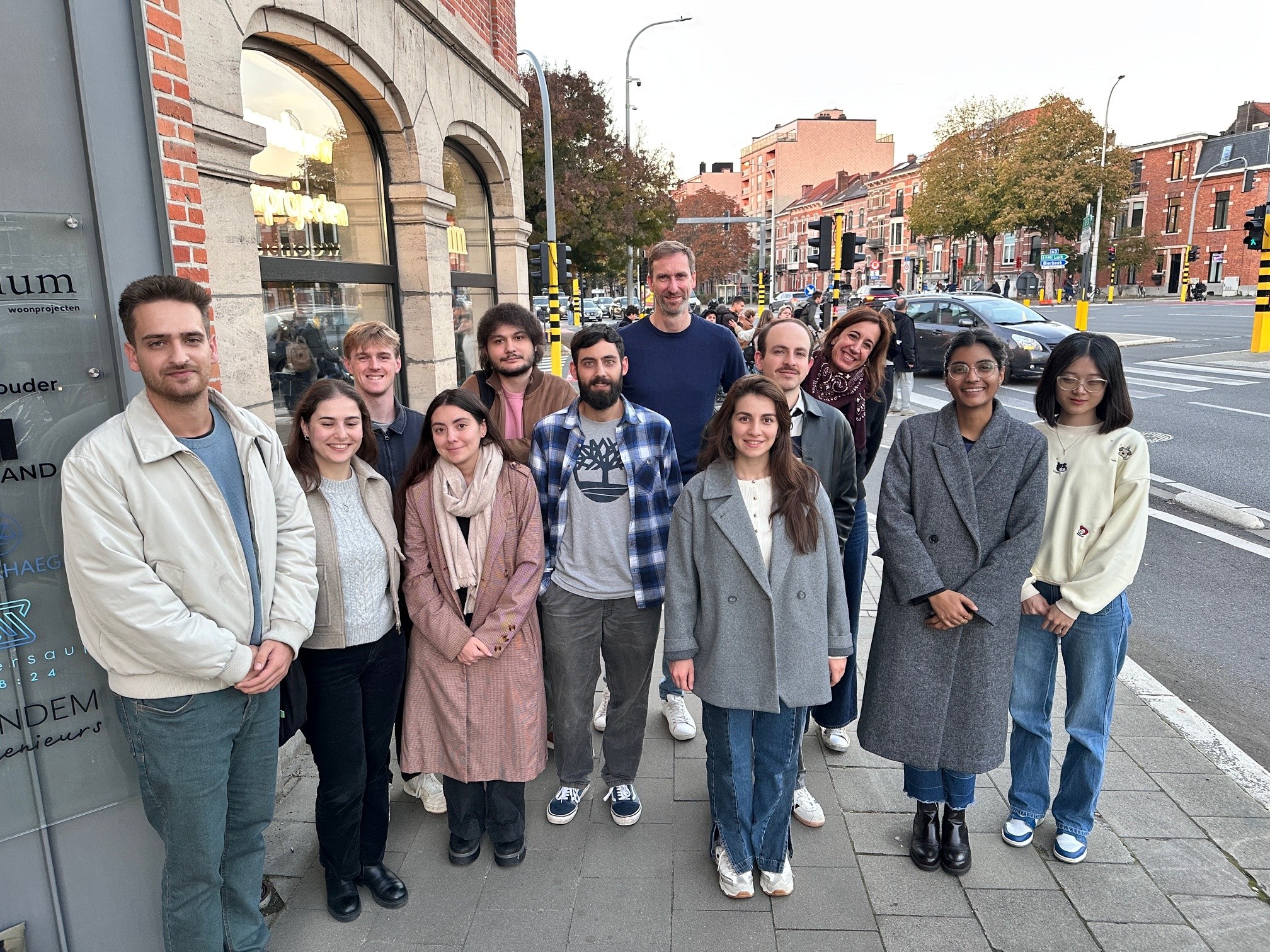
Course A4: Single-Cell Sequencing Technologies and Training T3: How to Make Excellent Figures.
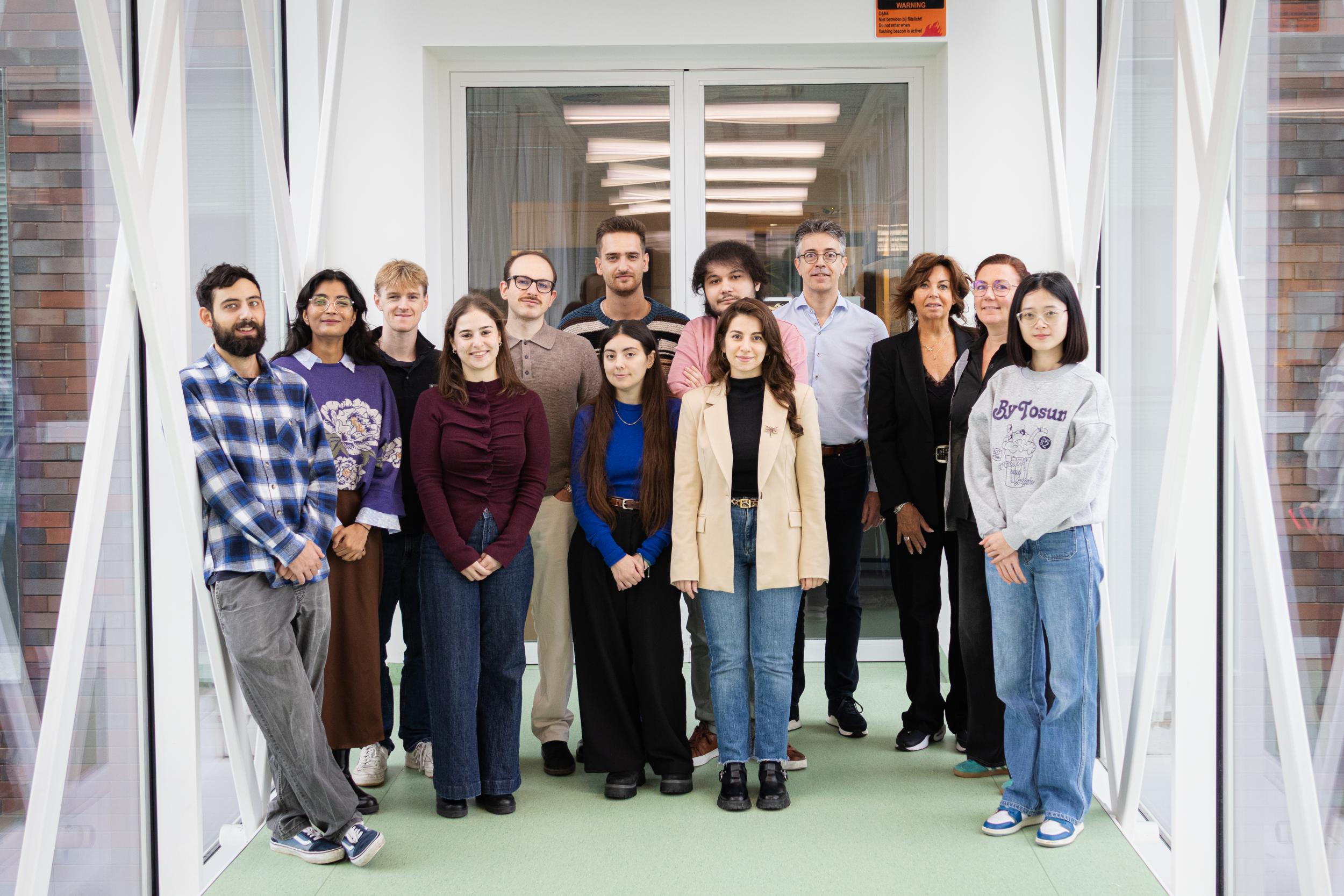
From 27–30 October 2026, the MIRACLE Doctoral Candidates gathered in Leuven, Belgium, for four days of two courses; advanced single-cell sequencing technologies and “how to make excellent figures”.
The programme brought together two complementary training activities: Course A4: Single-Cell Sequencing Technologies, hosted by VIB KU Leuven, and Training T3: How to Make Excellent Figures, organized by Somersault18:24.
Together, these activities provided the Doctoral Candidates with an opportunity to deepen their understanding of advanced research methodologies relevant to leukemia and measurable residual disease (MRD), while developing essential skills for making figures ready for publication and presentations.
View the detailed programme here >
Course A4: Exploring Single-Cell Sequencing Technologies
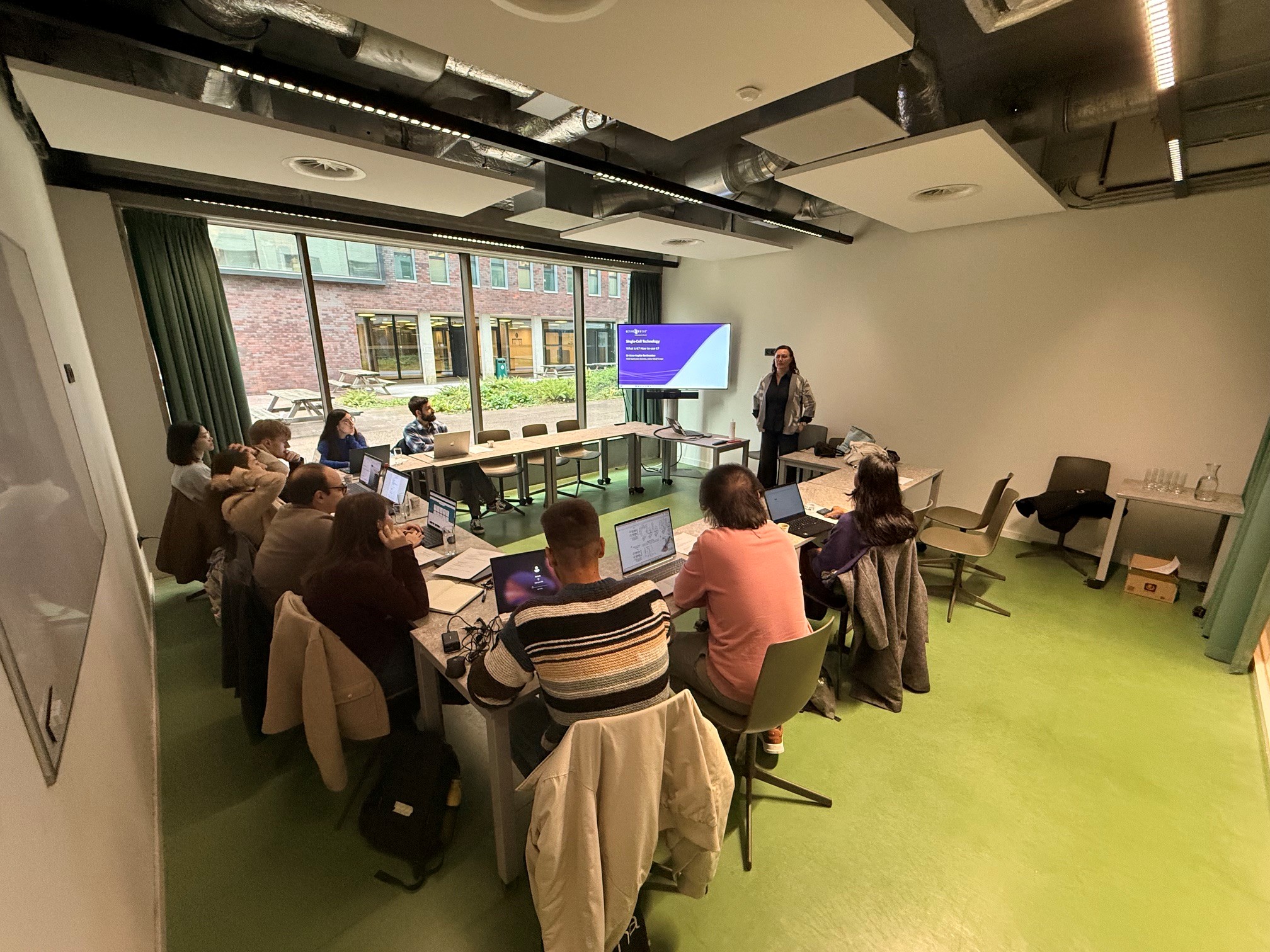
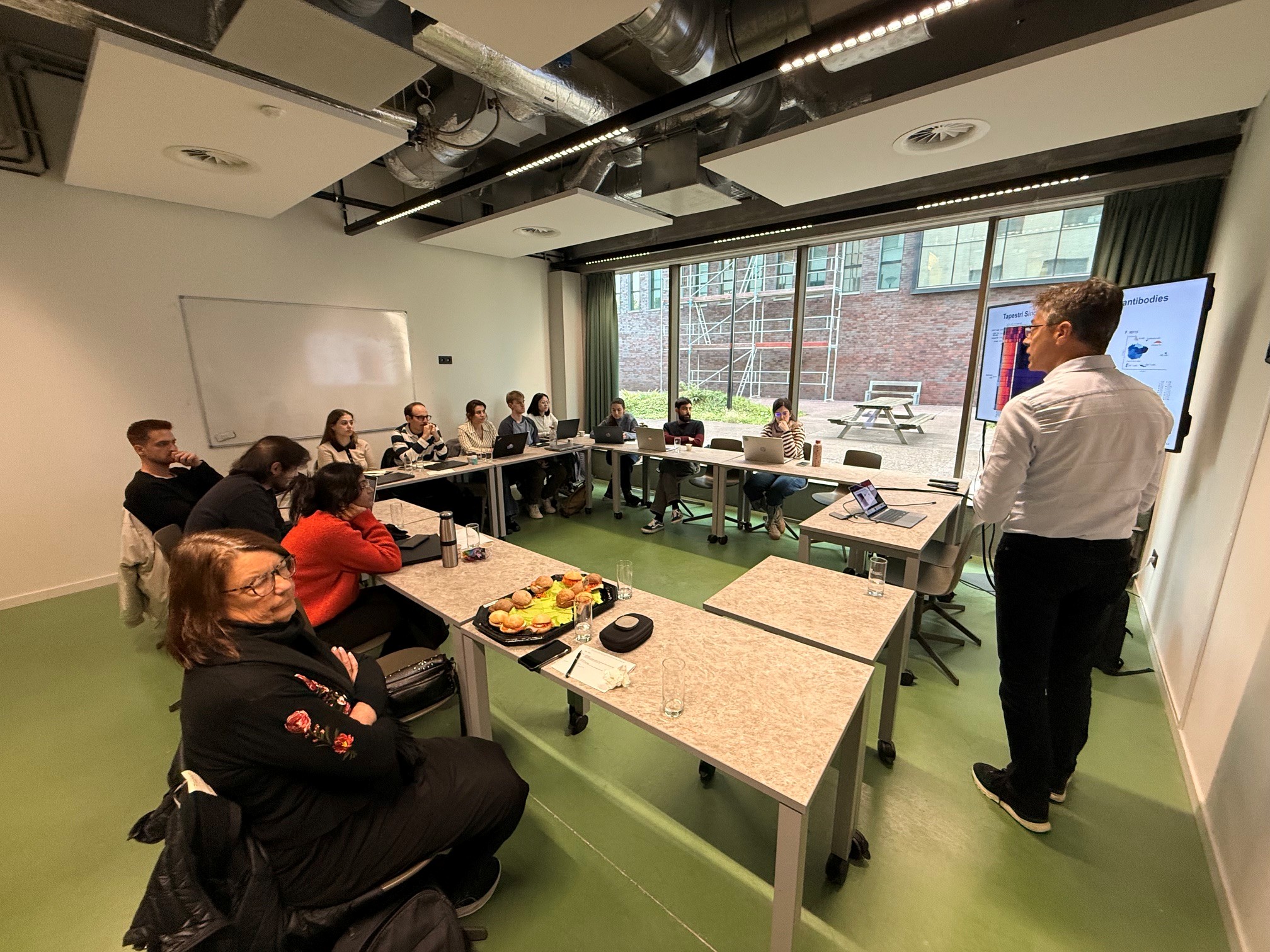
The two-day scientific course, held on 27–28 October at VIB KU Leuven, was led by Prof. Jan Cools, Group Leader at the VIB-KU Leuven Center for Cancer Biology. Single-cell sequencing technologies have become increasingly important in cancer research, enabling the investigation of molecular characteristics at theindividual-cell level rather than relying on measurements averaged across cell populations. This is particularly relevant in leukemia, where considerable cellular heterogeneity exists within individual patients, including among leukemia cells that persist following treatment. Within MIRACLE, these technologies provide valuable opportunities to investigate the molecular and cellular mechanisms underlying MRD, and to better understand the biological processes associated with treatment response and disease persistence. The course combined introductions to different single-cell technologies with case studies, examples from ongoing research, data analysis approaches, and discussions of their potential applications in the Doctoral Candidates' individual research projects.The first day was presented by Dr. Anne-Sophie Berthomieu, Field Application Scientist at Active Motif, and she introduced the principles, advantages and technical considerations of single-cell analysis. The programme explored three major areas of single-cell research: single-cell genomics, -transcriptomics and epigenomics such as scATAC-seq and scCUT&Tag.
Participants were introduced to different technical approaches for single-cell analysis, including Split & Pool methods, GEM technology from 10x Genomics and the BD Rhapsody system. Through case studies and comparisons of available technologies, the sessions addressed key considerations in selecting experimental approaches, including the advantages and limitations of single-cell analysis compared with conventional bulk sequencing. The first day concluded with a group discussion led by Prof. Jan Cools, focusing on how the Doctoral Candidates could incorporate single-cell experiments into their own research. This provided an opportunity to connect the methodologies introduced during the course with the scientific questions addressed in MIRACLE's individual doctoral research projects.
The second day focused on practical applications of single-cell technologies and examples from ongoing research at VIB KU Leuven. Dr. Sofie Demeyer, from the laboratory of Prof. Jan Cools, introduced applications of single-cell RNA sequencing and associated data analysis approaches, followed by single-cell CRISPR screening methodologies. These complementary approaches offer opportunities to investigate gene expression patterns and determine the functional contributions of specific genes to cellular processes. The programme continued with contributions from researchers working across different laboratories at VIB KU Leuven, illustrating a range of methods that can be addressed using single-cell methodologies.
By bringing together these different approaches, the course demonstrated how single-cell technologies can provide complementary information about cellular identity, genetic alterations, gene expression, immune cell populations and metabolism. For the MIRACLE Doctoral Candidates, this methodological perspective is particularly valuable. Understanding the diversity and biological characteristics of residual leukemic cells is an important aspect of research into MRD, treatment resistance and relapse. The course provided a foundation for evaluating which technologies and analytical approaches may be most relevant to their individual research questions.
Acknowledging the Scientific Contributors: MIRACLE extends its thanks to Prof. Jan Cools and the team at VIB KU Leuven for hosting and leading Course A4, and to all scientific presenters for sharing their expertise, research examples and practical insights.
Training T3: Developing Skills in Scientific Figures
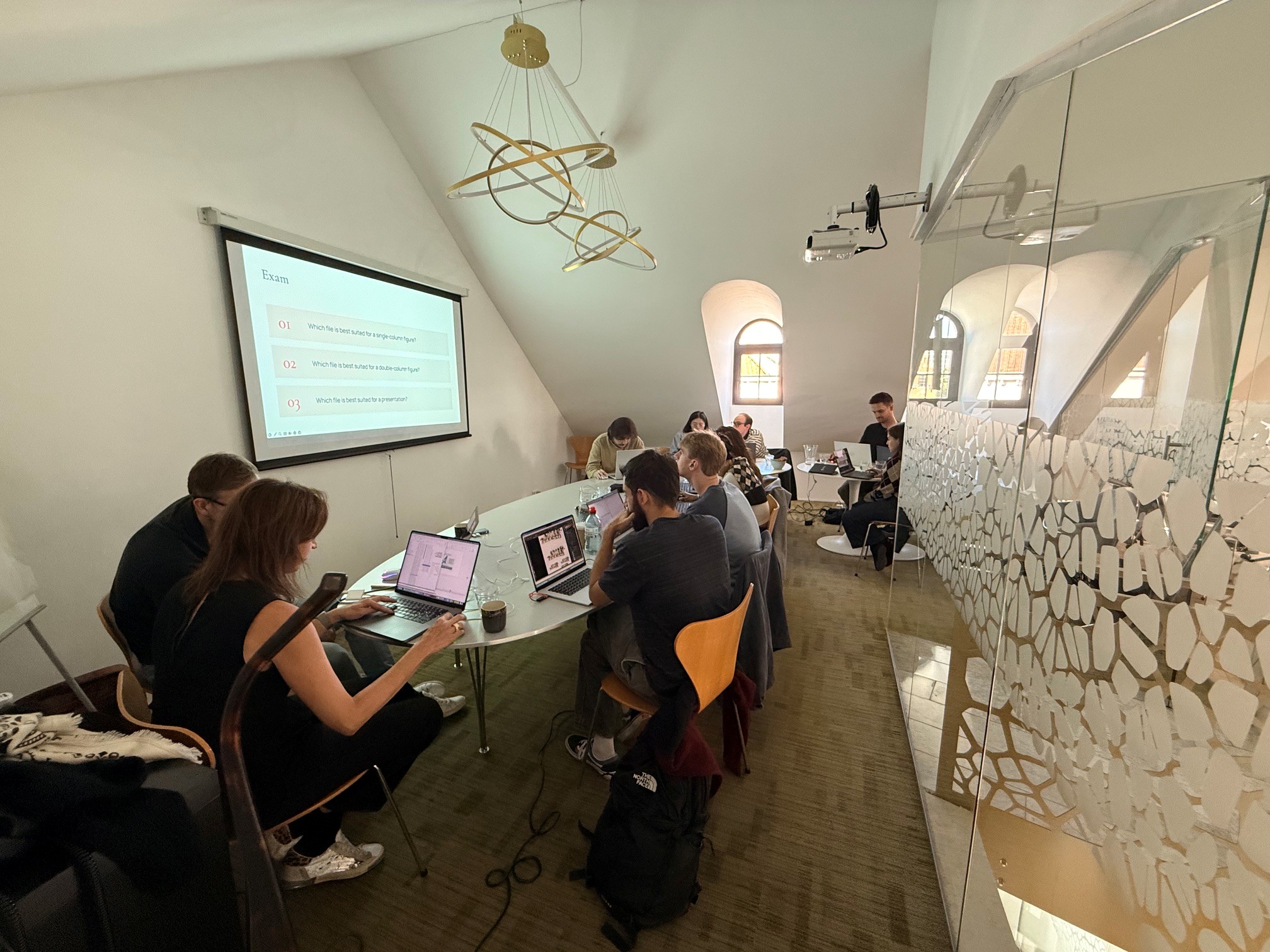
Following Course A4, the Doctoral Candidates participated in Training T3: How to Make Excellent Figures, a two-day, hands-on workshop held on 29–30 October at Somersault18:24 in Leuven. The workshop was delivered by Dr. Idoya Lahortiga and Dr. Luk Cox, co-founders of Somersault18:24, who combine expertise in biomedical research with extensive experience in scientific illustration and visual communication. Scientific figures and graphical abstracts play an important role in communicating complex research findings, yet the principles and practical skills required to create high-quality visual representations are not always covered in conventional research training.
The workshop addressed this need by introducing the fundamentals of scientific figure design, including resolution, file formats, vector and bitmap graphics, visual hierarchy, typography, color and annotations. Through practical exercises using Adobe Illustrator, the Doctoral Candidates explored how to prepare publication-ready figures, interpret journal requirements and translate scientific information into clear and compelling visual messages. Particular attention was given to the development of graphical abstracts, including the process of transforming a written scientific abstract into a visual representation of its central message. Participants also had the opportunity to apply the principles and techniques introduced during the workshop to figures relevant to theirown research projects.
Acknowledging the trainers: MIRACLE warmly thanks Dr. Idoya Lahortiga and Dr. Luk Cox for sharing their expertise and providing valuable practical guidance on effective scientific communication.
An Integrated Training Programme for the Next Generation of Leukemia Researchers: The Leuven training activities form part of MIRACLE's broader doctoral training programme. This integrated approach reflects an important ambition of the Marie Skłodowska-Curie Doctoral Network. By combining advanced methodologies with skills in data interpretation, scientific communication and professional development, the MIRACLE training programme supports the Doctoral Candidates in their research projects and prepares them for future roles in leukemia research and beyond. Read more about the MIRACLE Training programme >