Introducing our ten DCs and their research through a dedicated online campaign.
Throughout September’s Blood Cancer Awareness Month, we introduced our ten Doctoral Candidates through a dedicated online campaign [link naar LinkedIn], sharing the people, questions and research approaches behind our work on measurable residual disease in acute leukemia.
Why do some leukemia cells survive treatment? How do they change over time, and what protects them? Can a deeper understanding of these cells reveal new ways to prevent relapse? These questions connect MIRACLE’s ten doctoral research projects. During September, through our social media channel LinkedIn, we explored each project through a series of individual introductions, explaining what our Doctoral Candidates are investigating and why their work matters for people affected by leukemia.
Understanding the cells that remain
Measurable residual disease (MRD) refers to leukemia cells that remain during or after treatment, sometimes at levels detectable only with sensitive tests. MRD provides important information about treatment response and relapse risk. Understanding the biology of these persistent cells is also essential to developing ways to target them. Our campaign highlighted how MIRACLE approaches this challenge from several complementary perspectives, spanning artificial intelligence, single-cell analysis, disease modelling and new therapeutic strategies.
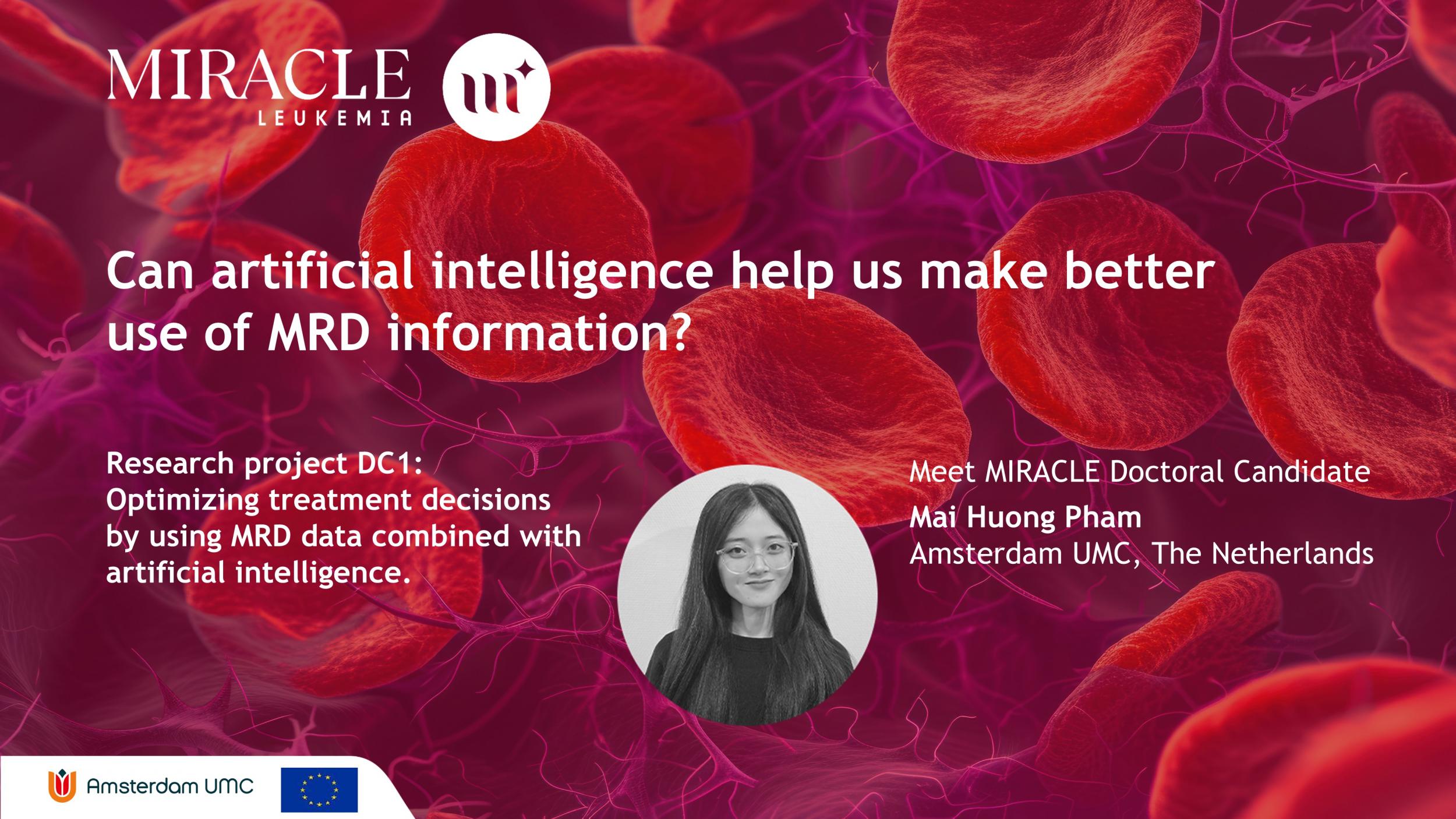
- Mai Huong Pham, Amsterdam UMC, investigates how artificial intelligence can combine MRD data with other relevant information to support more precise treatment decisions.
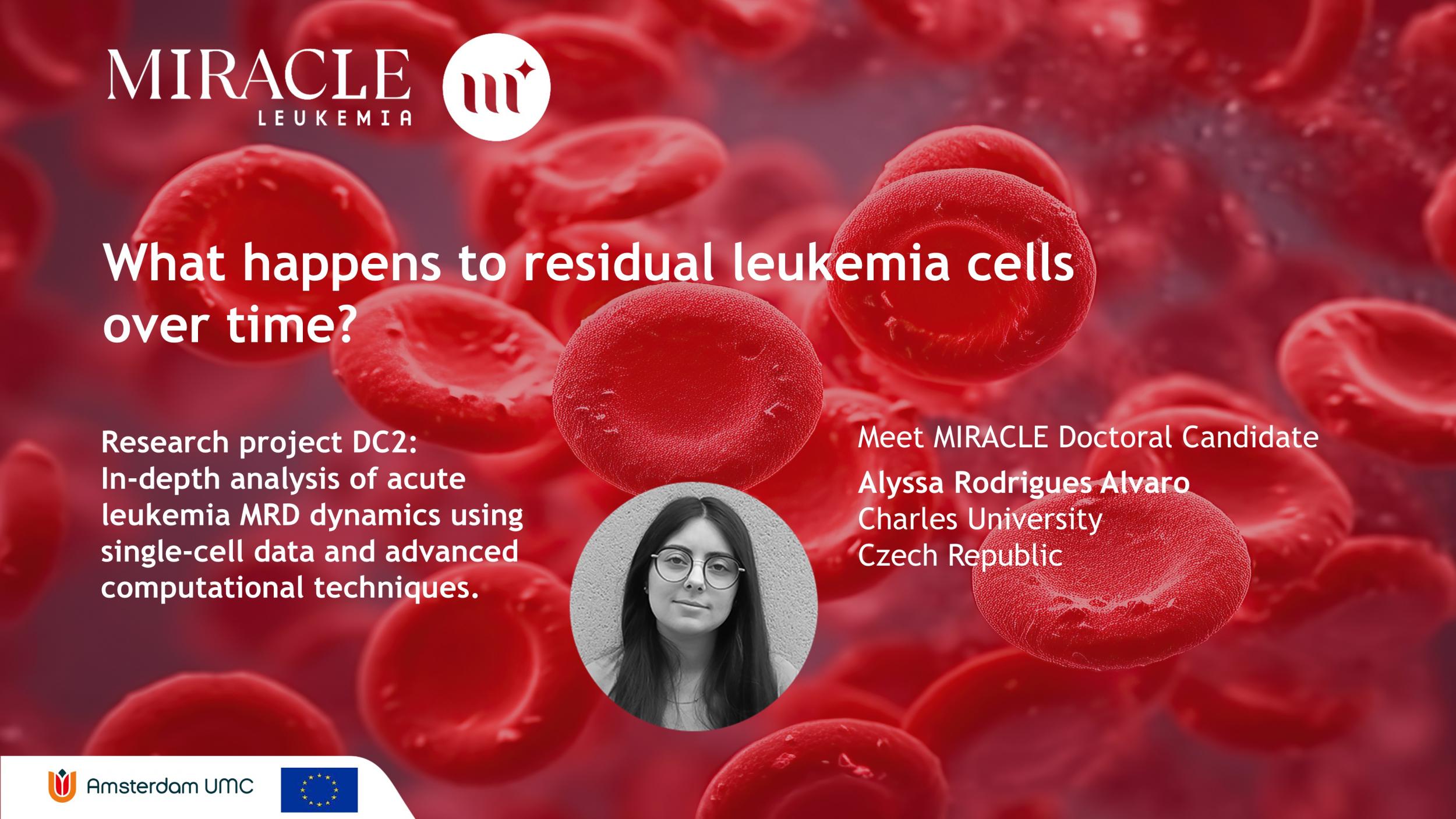
- Alyssa Rodrigues Alvaro, Charles University, studies MRD dynamics using single-cell data and advanced computational techniques, examining how leukemia cells change during disease and treatment.
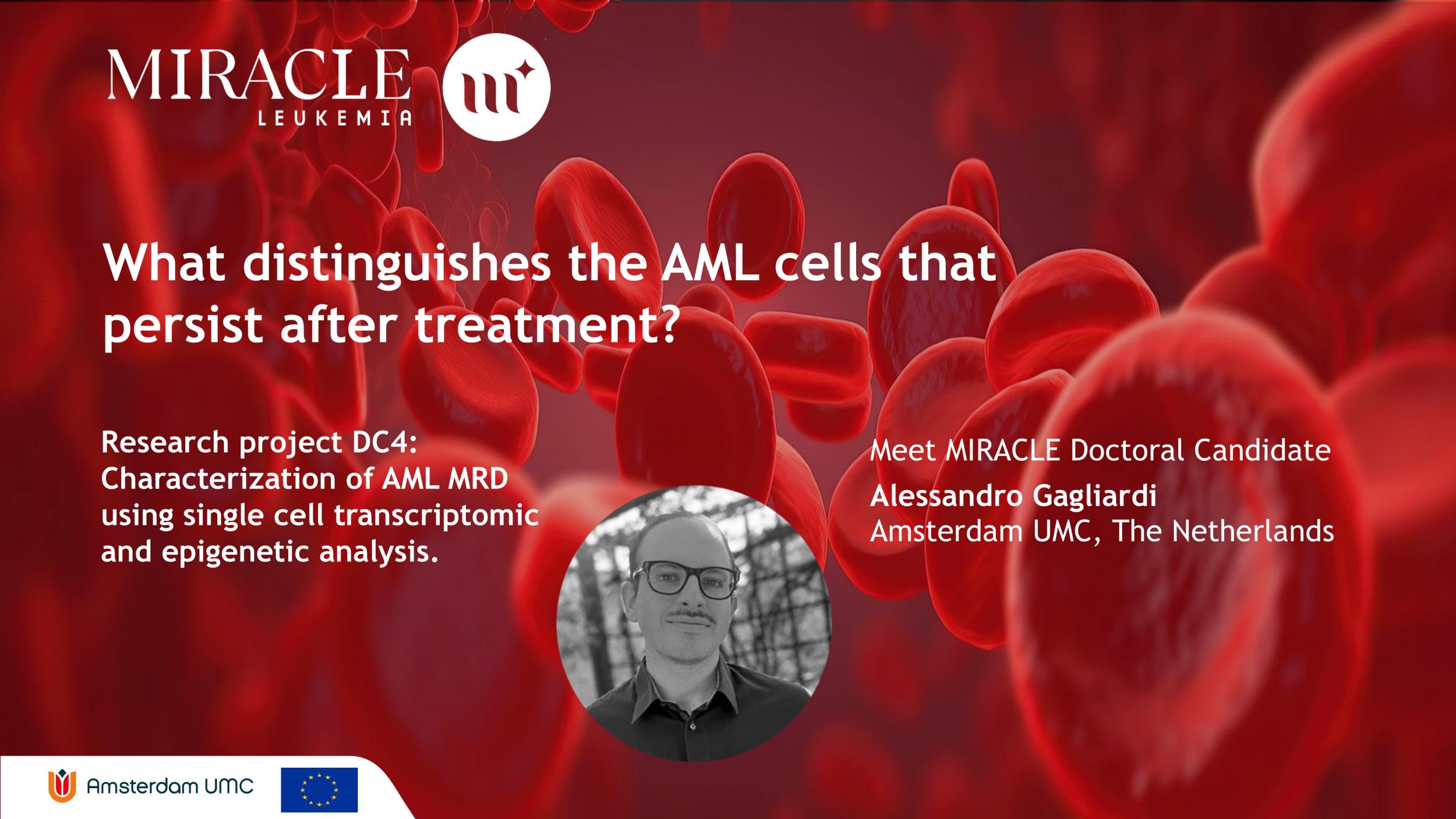
- Alessandro Gagliardi, Amsterdam UMC, investigates acute myeloid leukemia (AML) MRD through single-cell transcriptomic and epigenetic analysis.
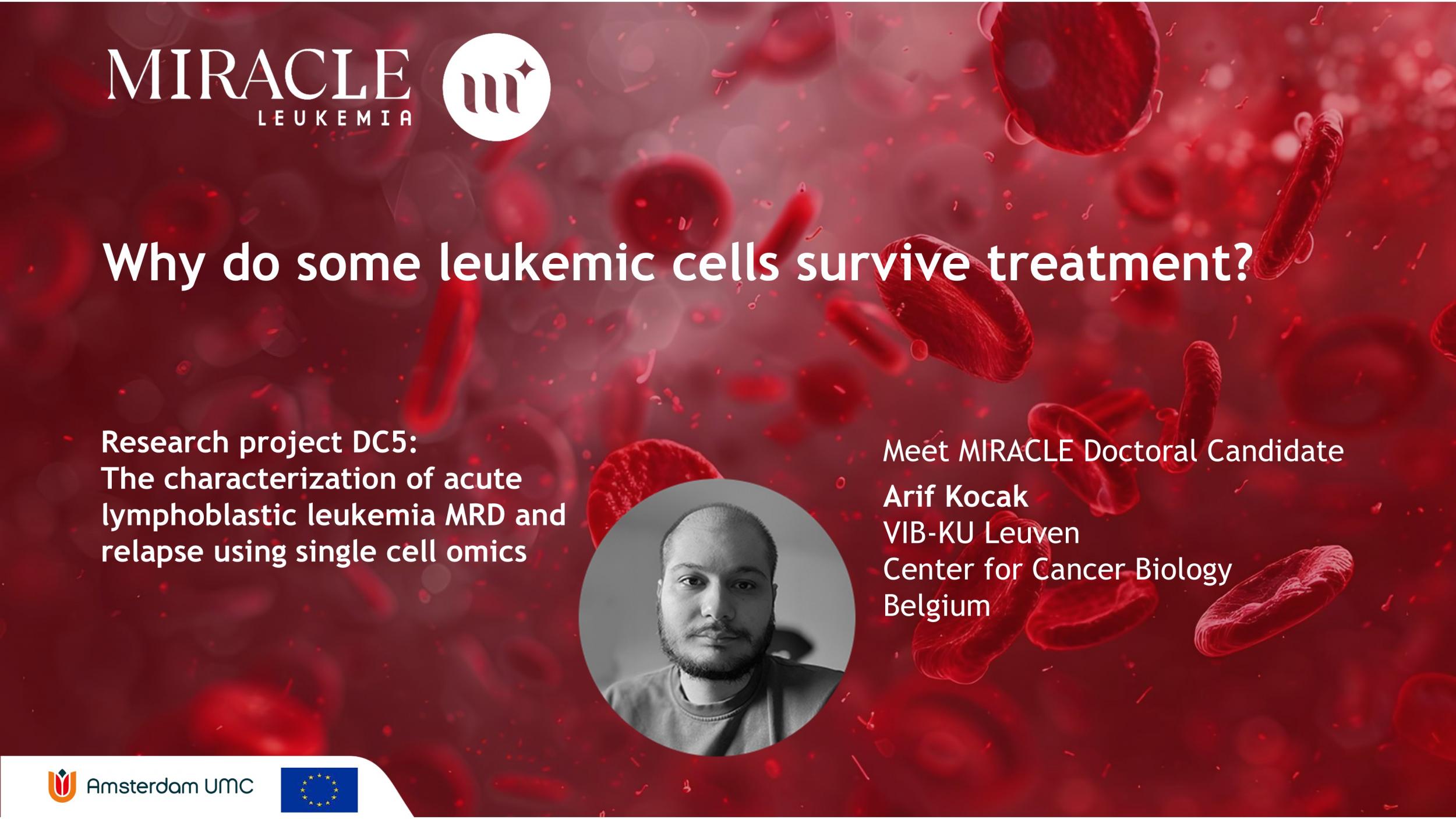
- Arif Kocak, VIB-KU Leuven Center for Cancer Biology, uses single-cell approaches to study residual disease and relapse in acute lymphoblastic leukemia (ALL). Their work aims to uncover features and mechanisms associated with treatment persistence.
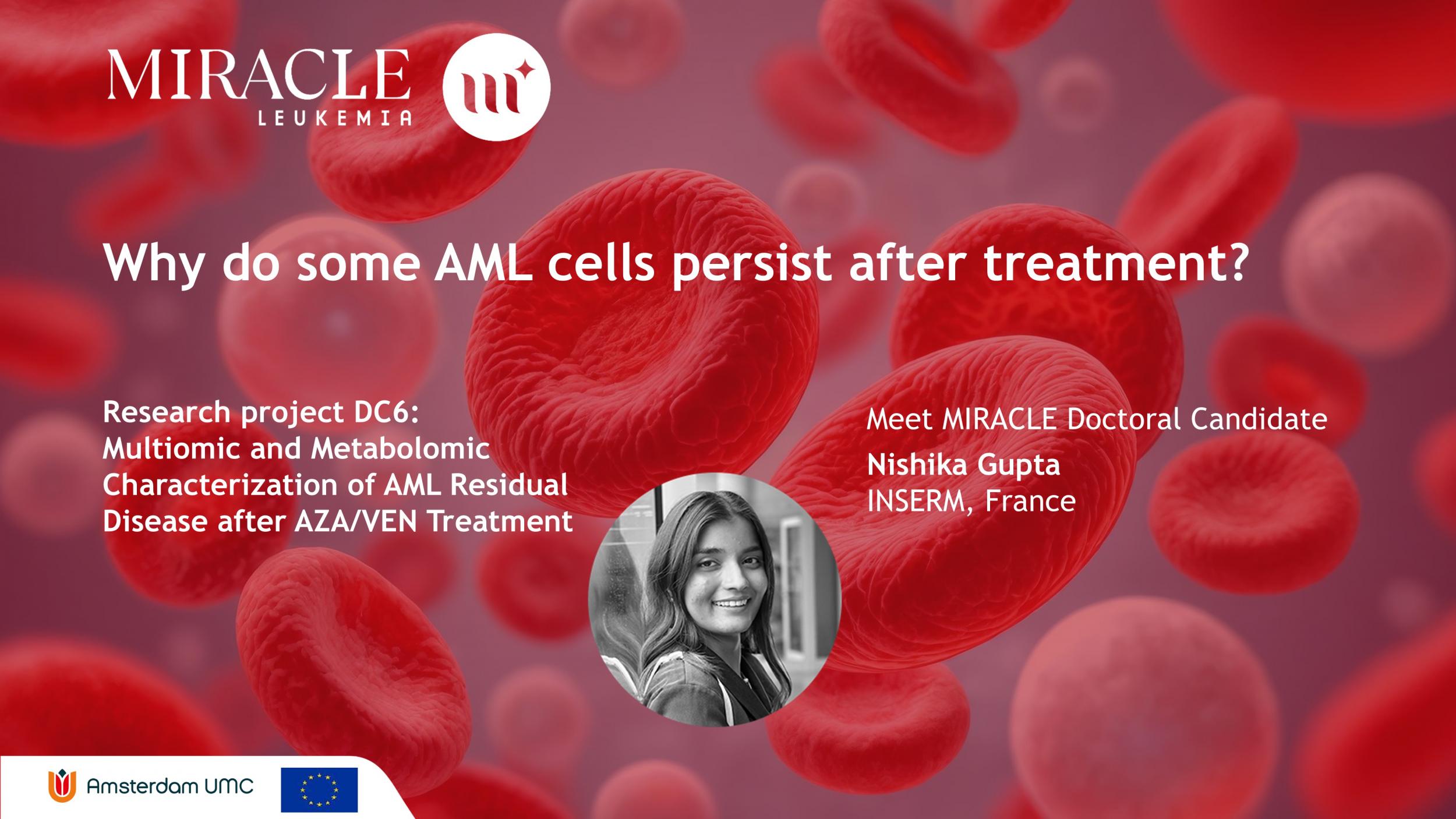
- Nishika Gupta, INSERM, examines AML cells that persist after treatment with azacitidine and venetoclax. By combining multi-omic and metabolomic approaches, her project explores the molecular and metabolic characteristics that may enable these cells to survive.
Exploring the environment around residual disease
Leukemia cells interact with their surroundings, including the bone marrow microenvironment. Understanding these relationships is another important part of MIRACLE’s research.
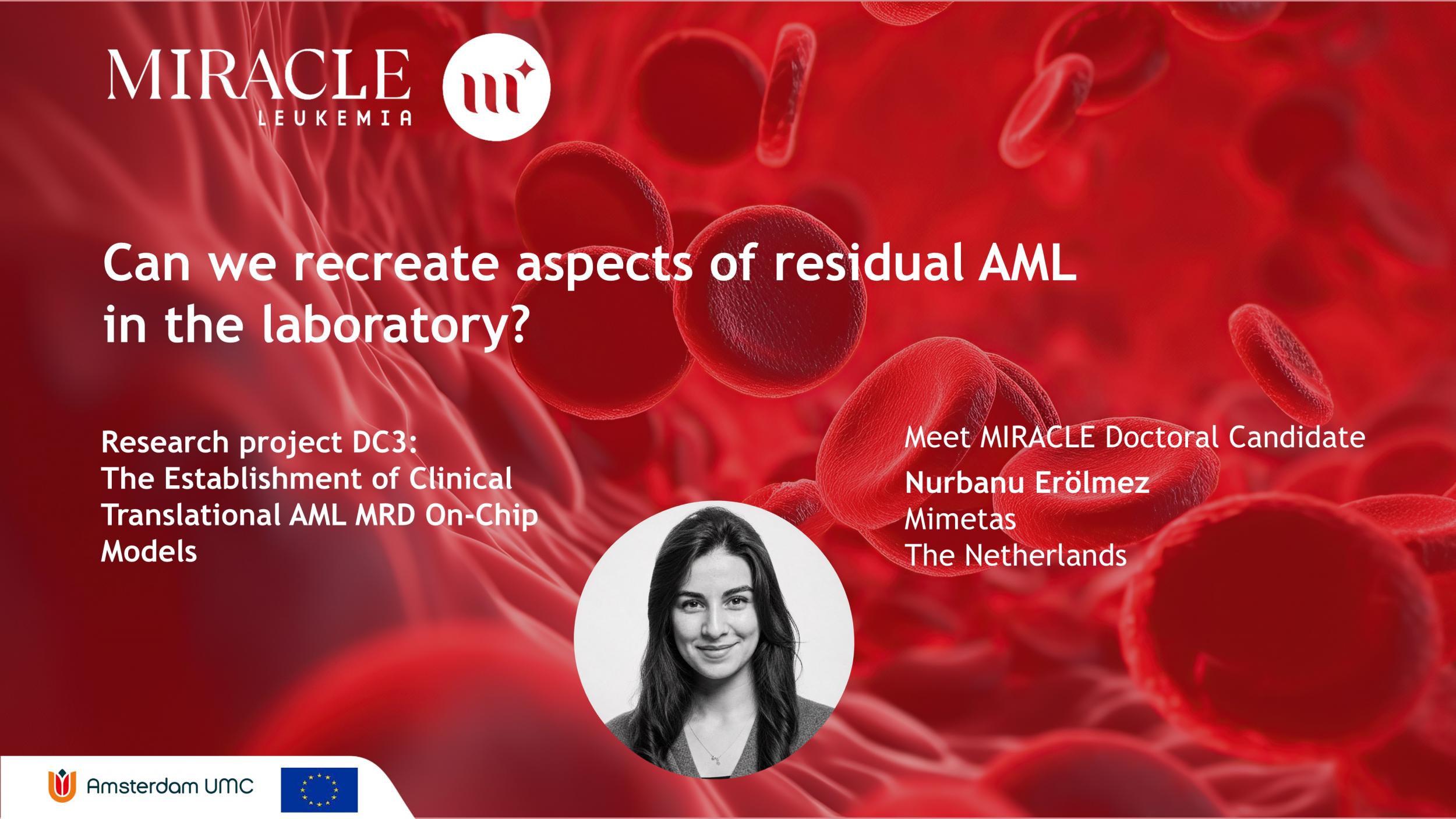
- Nurbanu Erölmez, MIMETAS, is developing an AML MRD-on-chip model. This approach recreates relevant aspects of the bone marrow environment in the laboratory, enabling researchers to study persistent leukemia cells and their interactions under controlled conditions.
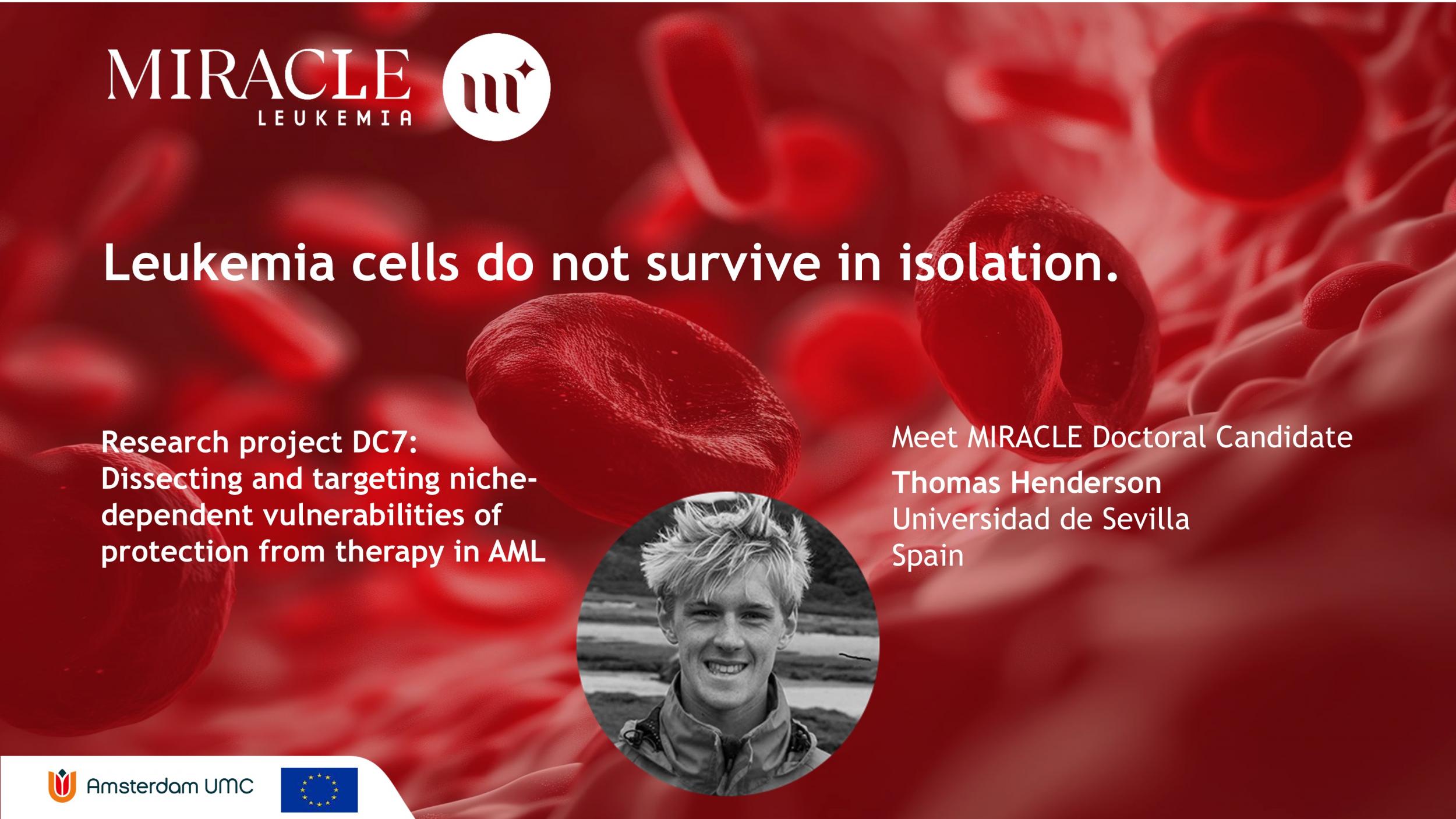
- Thomas Henderson, Universidad de Sevilla, investigates how the bone marrow niche can protect AML cells from therapy. His research explores whether vulnerabilities in these interactions could provide opportunities to target persistent disease.
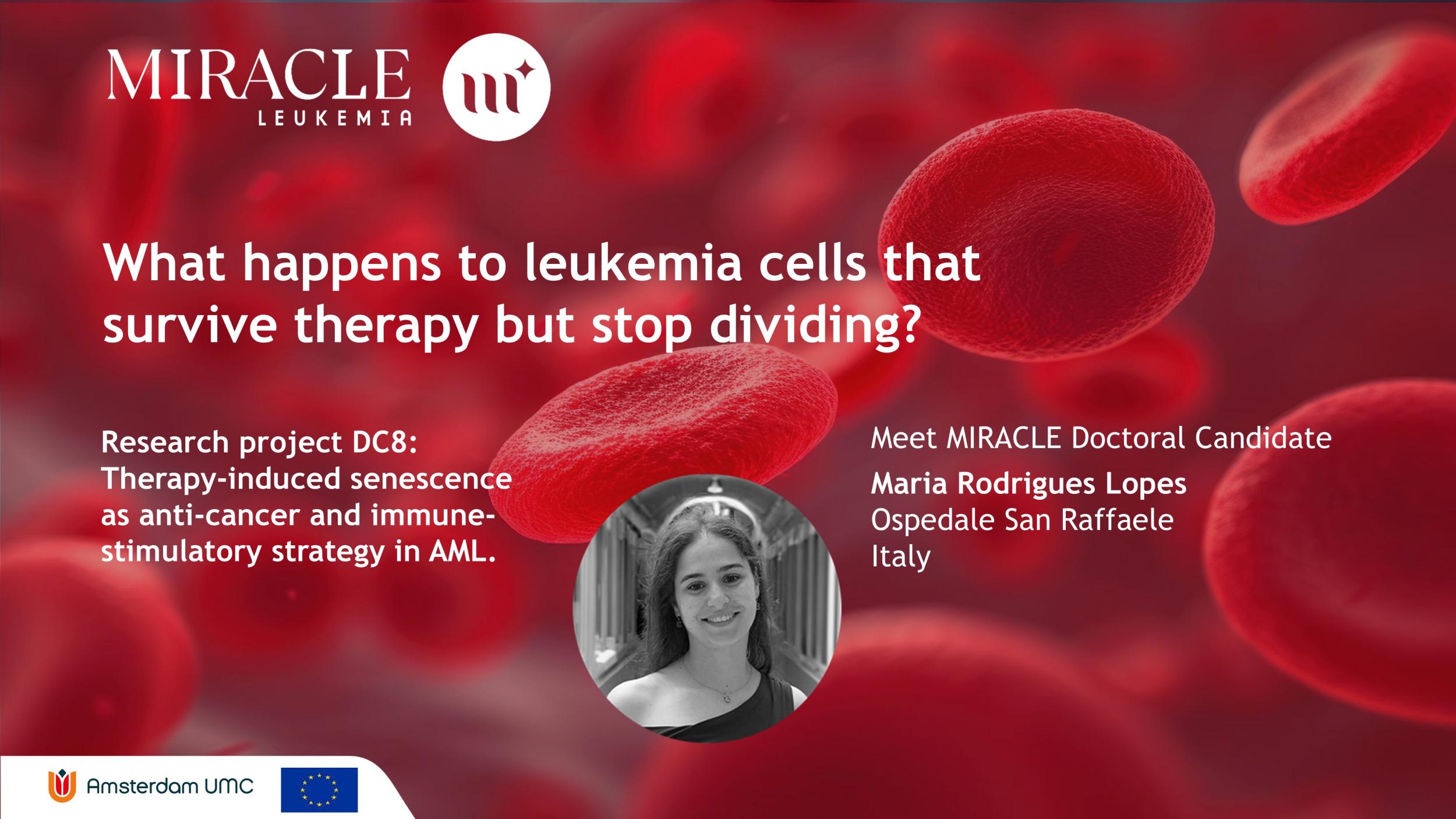
- Maria Rodrigues Lopes, Ospedale San Raffaele, studies therapy-induced senescence, a state in which cells stop dividing following treatment. Her project investigates the role of these cells in persistent leukemia and explores how their biological characteristics could inform anti-cancer and immune-based strategies.
Investigating new therapeutic possibilities
The campaign also introduced projects exploring ways to direct immune responses against persistent leukemia. These projects are investigating potential future treatment approaches. Their contribution begins with generating and testing the knowledge needed to understand which strategies may be effective.
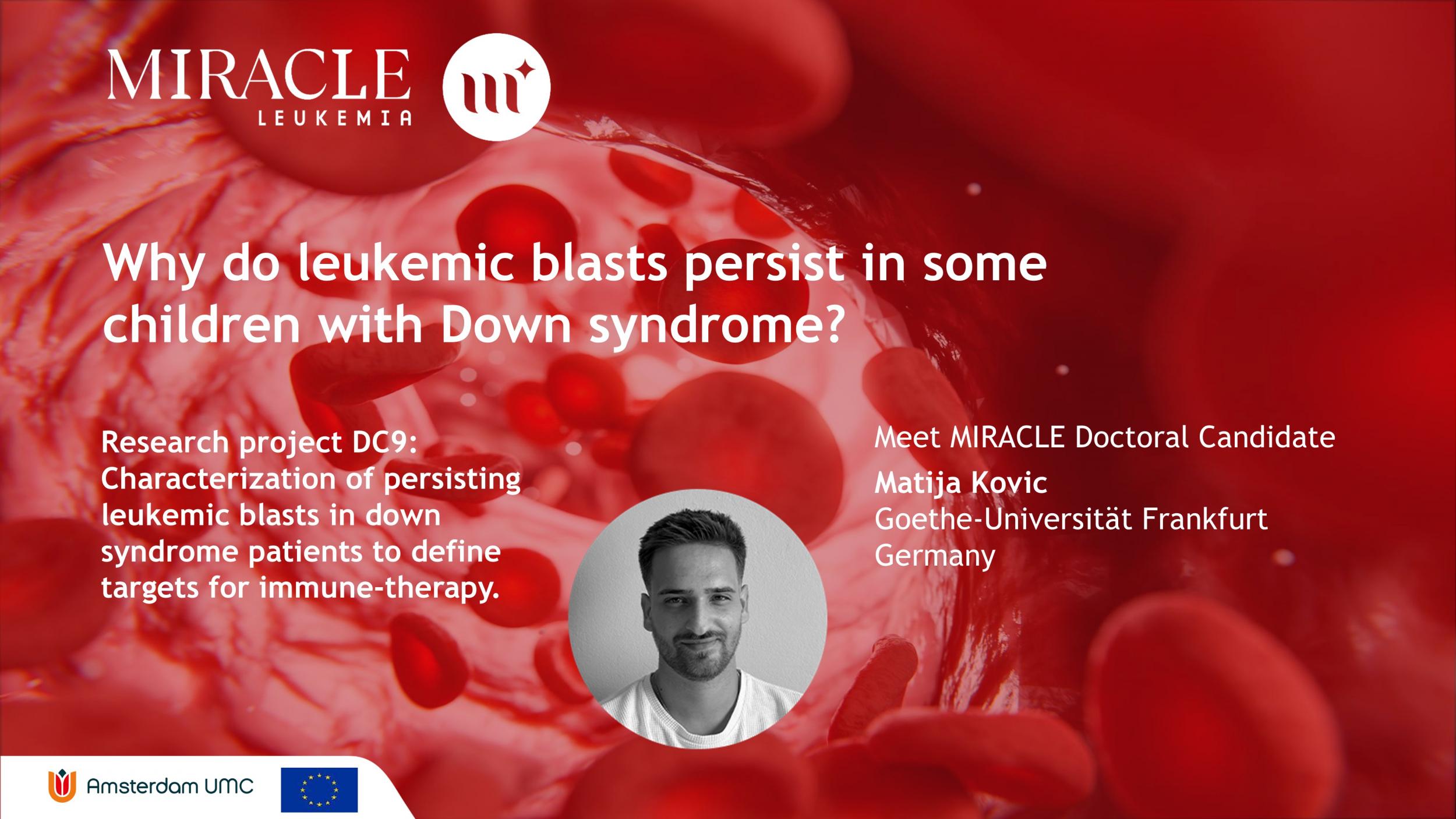
- Matija Kovic, Goethe University Frankfurt, studies persisting leukemic blasts in children with Down syndrome. His work aims to identify cell-surface targets that could provide a basis for more selective immunotherapy.
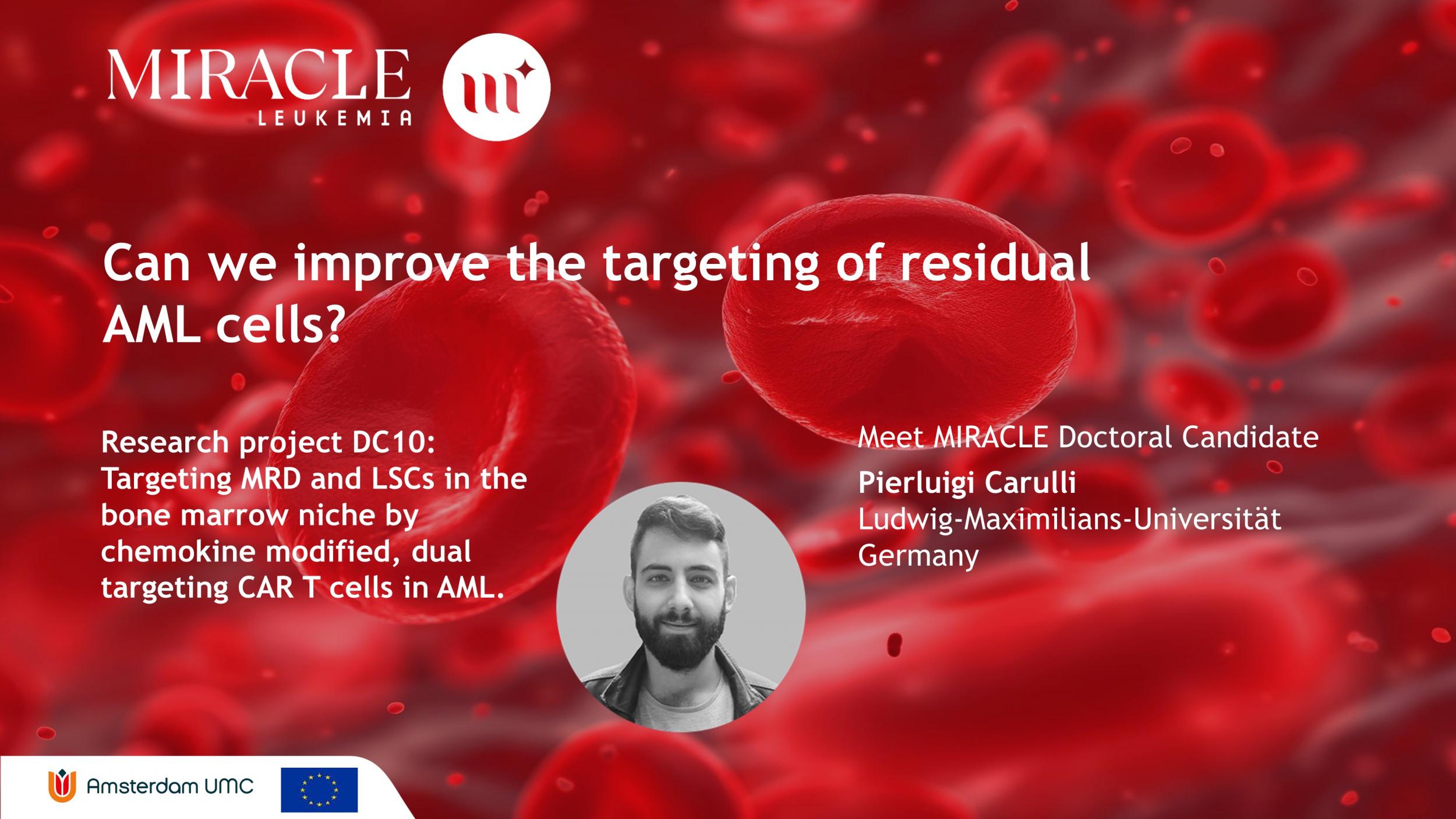
- Pierluigi Carulli, Ludwig-Maximilians-Universität München, investigates chemokine-modified, dual-target CAR-T cells for AML. His project explores approaches designed to recognise multiple targets and reach residual leukemia cells and leukemic stem cells within the bone marrow niche.
Ten researchers within one connected network
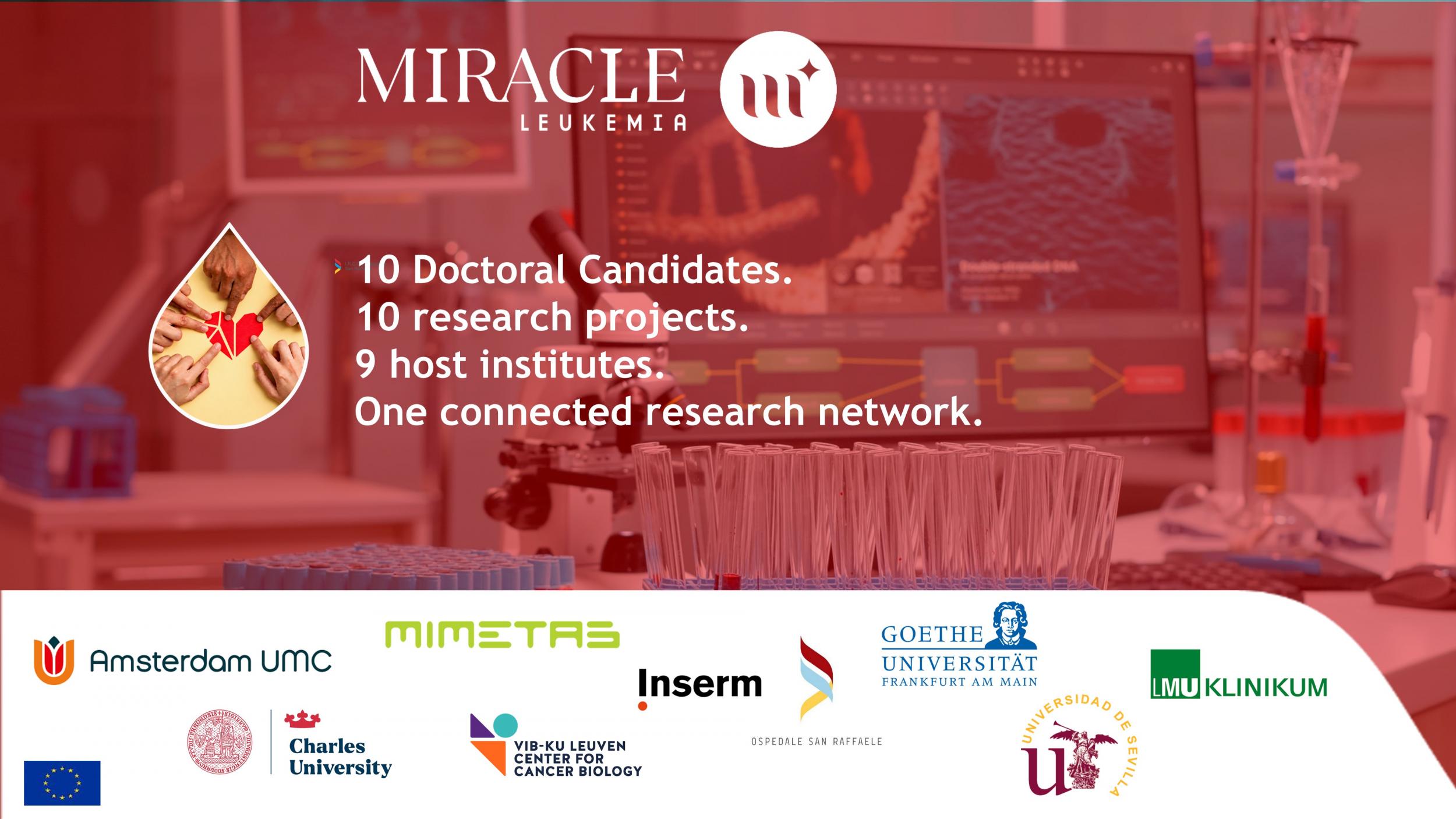
Behind the ten projects is a European network of academic, clinical and industry organisations providing complementary expertise, supervision and research environments. MIRACLE’s nine beneficiary institutions connect disciplines and technologies, enabling the Doctoral Candidates to develop their research while learning from one another and from their supervisors. Coordinated by the Amsterdam UMC Department of Hematology, MIRACLE-Leukemia is a Marie Skłodowska-Curie doctoral network combining research with specialist training, secondments and professional development. By introducing our Doctoral Candidates during Blood Cancer Awareness Month, we aimed to make the research accessible and show the people working towards a shared ambition: to better understand, detect and ultimately eradicate residual leukemia.
Explore MIRACLE’s ten research projects, meet our Doctoral Candidates, and discover the consortium behind their work.